
🐾 Everything You Need to Know Before Grooming Your Dog at Home
Grooming your dog at home is more than just a way to save money—it’s an opportunity to understand your dog’s health, comfort, and personality better. But it’s also a task that requires preparation and patience. In this guide, we’ll cover not just the “how,” but also the important considerations most dog owners miss before starting at-home grooming.
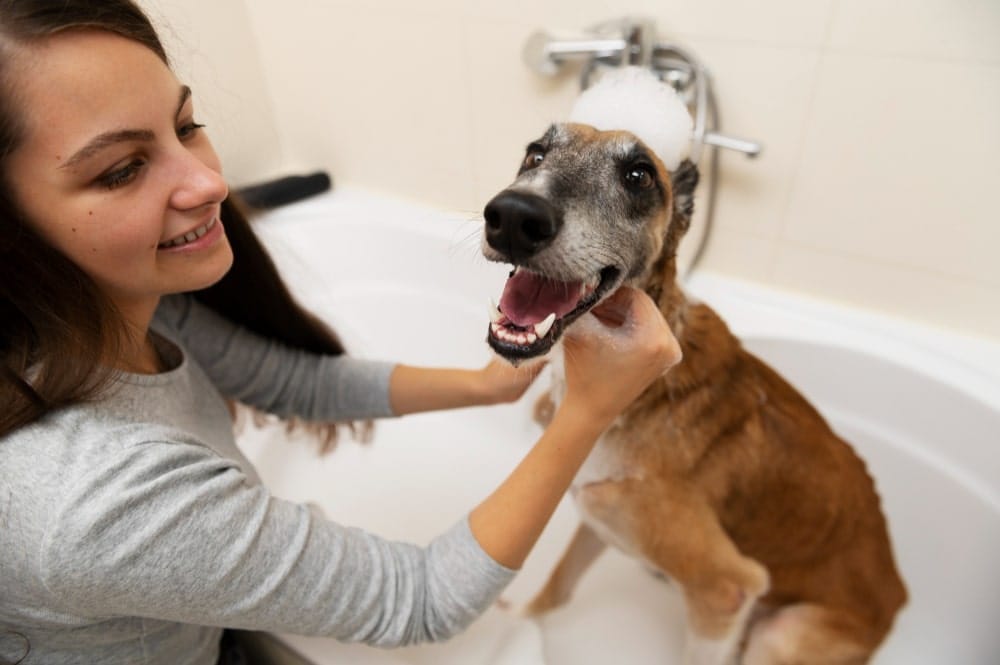
Step 1: Understand Your Dog’s Temperament
Not every dog reacts the same way to grooming. Before you begin, observe:
Does your dog get anxious with loud sounds (like dryers or clippers)?
Is your dog sensitive when you touch their paws, ears, or tail?
Has your dog had negative grooming experiences before?
Pro Tip: Start by making grooming sessions short and positive. Offer treats and praise to build trust.
Step 2: Know Your Dog’s Coat & Breed Needs
Different breeds = different grooming requirements.
Short-haired breeds (Beagle, Boxer): Low maintenance, but need nail trimming and ear cleaning regularly.
Double-coated breeds (Husky, Golden Retriever): Need deshedding tools, not just regular brushes.
Curly-haired breeds (Poodle, Bichon): Require frequent trims to prevent matting.
Skipping this step can actually cause skin problems, overheating, or coat damage.
Step 3: Set Up a Safe Grooming Space
Most people overlook this part. Choose a space that is:
Non-slippery: Place a towel or anti-slip mat.
Well-lit: So you don’t miss mats or over-trim nails.
Quiet: Reduce distractions or loud noises to avoid stressing your dog.
Pro Tip: Keep everything within reach before starting. Chasing scissors mid-bath = soaked floors and stressed dogs.
Step 4: Safety Precautions Before Grooming
Always check water temperature (lukewarm is best).
Don’t use sharp scissors near the face unless your dog is calm.
Keep styptic powder handy in case of a nail-cutting accident.
Never force your dog—stress can cause long-term fear of grooming.
Step 5: Health Checks You Can Do While Grooming
One of the biggest advantages of home grooming is spotting health issues early. While brushing or bathing, look for:
Skin redness, bumps, or flakes (could signal allergies or infection).
Unpleasant ear odor (possible ear infection).
Excessive shedding (may indicate stress or poor diet).
Broken teeth or bad breath (signs of dental problems).
This way, grooming doubles as a health check-up for your dog.
Common Beginner Mistakes to Avoid
Grooming right after meals (dogs feel uncomfortable).
Using human products (can cause rashes).
Skipping drying after baths (leads to fungal infections).
Expecting perfection the first time.
Final Thoughts
At-home grooming is not just about keeping your dog looking good—it’s about ensuring comfort, bonding, and preventive health care. With the right prep, safe space, and understanding of your dog’s breed and personality, you can turn grooming into a routine your dog actually enjoys.
Want a Dog Grooming Prep Guide (Free PDF) with a checklist of space setup, tools, and safety steps?
👉[Click here to download yours now].